dpafa

  • Why Trying to ‘Fix Yourself’ Is Blocking Your Manifestation

    Most people don’t get into manifestation because they want to be perfect.
    They get into it because they want to feel better.
    To feel something freedom, peace, worthiness, purpose.

    At first, the practices work. It feels good. Uplifting. Hopeful.
    Until one day it doesn’t.

    And suddenly, you’re no longer manifesting—you’re playing games.

    You’re checking boxes, obsessing over vibes, rereading your scripts, asking the Universe if you’re doing it right, and second-guessing your every move.
    Instead of expanding into your life, you’re micromanaging it like a project.
    And perfectionism is quietly running the show.

    I know this because I lived it.
    I turned my spiritual path into a game, a self-improvement hamster wheel.
    I told myself it was growth, but what it really was… was a subconscious attempt to earn my manifestations.

    Let’s talk about why that energy doesn’t work—and what to do instead.


    The Trap of Over-Fixing Yourself

    It starts with good intentions.
    You want to feel better. You want your life to change.
    And manifestation promises you that if you shift your energy, your world shifts too.

    But when the shifts don’t come fast enough—or the evidence doesn’t match your desire—your brain does what it knows: it goes into “do more” mode.

    Suddenly, you’re scripting more.
    Meditating longer.
    Saying affirmations with clenched teeth.
    Asking yourself if you’re “high vibe enough.”

    But here’s the truth:
    Alignment isn’t performance.
    And manifestation isn’t a reward for how “healed” you are.

    When we start treating our spiritual growth like a checklist
    Be better. Be calmer. Be more patient. Be less reactive
    We stop being real.

    And when we stop being real, we disconnect from the exact thing that fuels manifestation: embodied congruence.


    Faking it for the Universe Doesn’t Work

    You’re not here to please the Universe.
    You’re here to partner with it.

    Trying to become some ideal version of yourself to “deserve” what you want is the fastest path to burnout and disappointment.
    It reinforces the belief that you’re not enough as you are.

    I used to think if I just got my vibration right,
    If I showed up perfectly in my parenting, my business, my energy
    Then the Universe would deliver.

    But what actually happened?

    I lost myself.
    I wasn’t evolving, I was pretending, masking.
    I wasn’t manifesting from authenticity, I was manifesting from anxiety.
    And it never felt sustainable.

    True growth came the moment I stopped trying to fake calm and started honoring the messy, magnetic truth of who I already was.


    Embrace Your Messy, Magnetic Self

    Let me say this loud and clear:
    You are allowed to be a full human and still manifest your desires.

    You are allowed to:

    • Have a bad day and still call in abundance.
    • Feel doubt and still be aligned.
    • Be messy and still be magnetic.

    Manifestation doesn’t require your perfection.
    It requires your presence.
    It requires you to be congruent, not clean, not curated, not constantly “on.”

    You don’t manifest from checklists.
    You manifest from embodiment. From alignment.
    From owning your truth.

    And that truth?
    Might be angry. Might be scared.
    Might be stretched beyond what you thought you could handle.

    But if you can be with it, not shame it, not fix it, you unlock your power.


    You’re Not Going Backwards—You’re Expanding

    So if you’re in a season that feels like “regression,” like you’re slipping out of alignment, pause.

    Zoom out. Look at your path from a bird’s-eye view.

    It’s not linear. It never was.

    Your human experience has ups and downs, ebbs and flows, and that’s not failure.
    It’s an expansion.

    You don’t need to “fix” yourself to become magnetic.
    You just need to stop abandoning who you are in pursuit of who you think you have to be.

    And when you do that?
    Manifestation starts to feel like a natural extension of your being
    Not something you chase, but something you allow.


    Final Thoughts

    Perfectionism isn’t proof of dedication.
    It’s proof of disconnection.

    If you’ve been stuck in a loop trying to be more, heal more, do more, just to receive what you want, come back home to your humanity.

    You’re not broken.
    You’re not behind.
    You’re not too messy to be magnetic.

    You’re exactly where you’re meant to be
    And the more you trust that, the more your manifestations flow.

    If this hit home…

    → Get the Identity Shift Series (Free Audio) – a quiet but powerful recalibration back to yourself
    → Check out Remeria – the nonprofit behind the movement
    → Or start small with The Manifestation Reset – $7 for a shift you can feel in 10 mins

    No pressure. But if you’ve read this far, something probably stirred.
    Let it take you somewhere.

  • Stop Blaming the Universe (It’s Not Out to Get You)

    Ever caught yourself whispering, “Why is the universe doing this to me?”
    That spiral of frustration when things go sideways—again—and you’re trying to make sense of it all?

    It’s tempting to believe there’s some external force screwing with your life.
    It gives you something to point at.
    It gives you relief from the pressure of looking inward.

    But here’s the truth:
    It’s not the universe.
    It’s your energy.

    And no, you’re not being punished.
    You’re not cursed.
    You’re being shown something.
    You’re being invited to take radical ownership.

    Because the universe doesn’t play favorites.
    It just reflects.

    Why Blaming the Universe Keeps You Stuck

    1. It Hands Over Your Power

    Blaming the universe is spiritual outsourcing.
    It’s giving your power away and calling it surrender.

    But true surrender doesn’t mean powerlessness.
    It means grounded responsibility.

    If things aren’t shifting, ask:
    Where am I still waiting for life to rescue me instead of meeting it halfway?

    2. It Reinforces Victimhood

    Victim energy is seductive because it feels valid.
    You’ve been through things. You’re tired. You’re doing the work.

    But victimhood locks you out of agency.
    It leaves you waiting, resenting, shrinking—while still secretly hoping to be rescued.

    Truth:
    Victimhood and manifestation don’t live on the same frequency.

    3. It Scrambles Your Alignment

    Alignment isn’t always about feeling good.
    It’s about your identity and embodiment matching what you say you want.

    If your energy is laced with resentment, fear, or resistance…
    You’re not bad, you’re just out of sync.

    Think of it like this:
    Trying to receive while blaming the universe is like trying to tune into music on a radio full of static.

    The message might be playing.
    But you can’t hear it clearly if you’re jamming the signal.

    How Your Energy Actually Shapes Your Reality

    Energy Isn’t Karma—It’s Congruence

    You’re not punished for your patterns.
    You’re just met by them.

    If your core belief is “nothing ever works for me,”
    You’ll unconsciously filter life through that lens.
    You’ll miss opportunities. You’ll hesitate to trust.
    You’ll shrink from the edge of possibility because your body doesn’t feel safe going further.

    This isn’t a mindset issue.
    It’s an embodiment one.

    Emotions Are Clues, Not Curses

    You’re not here to suppress your feelings.
    You’re here to listen to them.

    Anger, grief, frustration—they’re messengers.
    But if you park in them and start decorating your house with their furniture?
    You turn a moment into a home.

    Let your emotions move.
    Then decide who you are beneath them.

    Consistency Matters More Than Perfection

    Energy isn’t about intensity—it’s about repetition.
    You don’t need to be high-vibe every day.
    You just need to be congruent.

    Congruence looks like:
    Choosing aligned thoughts when fear wants to spiral.
    Taking the smaller, safer next step instead of waiting for certainty.
    Reinforcing your identity, not chasing the outcome.

    How to Reclaim Your Power (Without Bypassing Reality)

    1. Own Your Frequency

    This isn’t about blame—it’s about curiosity.

    Ask:
    What energy am I bringing into the room?
    Where am I waiting to feel different instead of choosing different?
    What version of me am I reinforcing daily?

    Every experience is feedback.
    Not judgment. Just a mirror.

    2. Shift the “Why Me?” Loop

    “Why is this happening to me?” keeps you stuck.
    “Why is this here, and what is it asking me to see?” creates movement.

    Better questions open your nervous system.
    They shift your lens.

    Try asking:
    Where am I out of integrity with what I say I want?
    Where do I still expect something external to save me?

    3. Regulate Before You React

    Before you spiral into “nothing’s working,” pause.

    Try this:

    • One minute of deep breath
    • A hand on your heart
    • A single sentence of self-honesty:
      “Right now, I feel… and that’s okay.”

    From that place, make your next move.
    Not from panic. From presence.

    4. Stop Taking Redirection Personally

    When things fall apart, it’s easy to assume you’ve messed it all up.
    But sometimes, what looks like resistance is just recalibration.

    A delayed launch might be making space for deeper alignment.
    An ended relationship might be clearing space for a new level of self.

    Don’t confuse pause with punishment.

    Ask:
    What part of me was forcing what wasn’t meant to stay?

    5. Expand What Abundance Means

    If you only define abundance as a dollar amount, you’ll always feel behind.

    Abundance is space.
    Peace.
    Choice.
    Sufficiency.
    Self-trust.

    It’s the way your body exhales after deciding you’re safe before the results arrive.

    Start there.

    Final Word: You’re Not Being Tested—You’re Being Invited

    The universe doesn’t hand out report cards.
    It’s not keeping score.
    It’s not testing your worth.

    It’s reflecting who you’re being—not just in your actions, but in your frequency.

    So stop blaming it.

    Start asking:

    • Where am I still outsourcing my power?
    • What would it look like to take full responsibility without making myself wrong?
    • Who am I becoming right now—and what does she need from me today?

    You don’t have to be perfect.
    You just have to be present with the part of you that’s still waiting to be claimed.

    Because that’s where it shifts.
    Not in the sky.
    In you.

    🎧 Ready to Stop Blaming and Start Becoming?

    The Identity Shift Sessions is a 7-part audio series to help you stop chasing, blaming, and finally start embodying what you’ve always been capable of holding.

    Because this work?
    It’s not about the universe.
    It’s about you showing up like it’s already yours.

    👉 Listen now

  • How Vision Boards Can Backfire When Manifestation Turns Into Obsession

    Vision boards are one of the most popular manifestation tools. The idea is simple: create a visual representation of your goals, surround yourself with inspiration, and let the universe work its magic. Sounds harmless, right?

    But what happens when your vision board becomes less about inspiration and more about obsession? Instead of manifesting your dreams, you might find yourself stuck in frustration, overthinking, and doubt.

    Let’s dive into how vision boards can backfire, why turning manifestation into obsession derails your progress, and how to use them in a way that supports, rather than sabotages, your goals.

    Why Vision Boards Are Powerful (When Used Correctly)

    1. They Clarify Your Desires

    Vision boards help you get clear on what you want. By visualizing your goals, you’re setting a clear intention for what you’d like to attract into your life.

    2. They Inspire Action

    Seeing your goals daily can motivate you to take steps toward achieving them.

    3. They Anchor Your Energy

    A vision board can serve as a daily reminder to align your thoughts and actions with your desired outcomes.

    The Problem: When the focus shifts from inspiration to obsession, the energy changes. Instead of aligning with your desires, you create resistance by clinging too tightly to the outcome.

    When Vision Boards Backfire

    1. Over-Attachment to Specific Outcomes

    Vision boards often encourage hyper-specificity—think exact dollar amounts, dream houses, or specific job titles. While it’s great to have clear goals, becoming overly attached to a single outcome can block other opportunities.

    Example: You fixate on manifesting a $100,000 salary at a specific company. Meanwhile, the universe is nudging you toward a business opportunity that could exceed your financial goals, but you miss it because your focus is too narrow.

    The Shift: Be clear about the essence of what you want (e.g., financial freedom, fulfilling work) rather than obsessing over how it will arrive.

    2. Focusing on Lack Rather Than Abundance

    Staring at your vision board daily can sometimes trigger feelings of lack or frustration. Instead of feeling inspired, you’re reminded of what you don’t have yet.

    Why This Happens: Your subconscious focuses on the gap between your current reality and your desired outcome, creating resistance instead of alignment.

    The Shift: Focus on gratitude for what’s already unfolding in your life. Use your vision board as a tool to amplify excitement, not dwell on scarcity.

    3. Obsessing Over the Timeline

    A common mistake is expecting everything on your vision board to manifest within a specific timeframe. When things don’t happen “fast enough,” doubt creeps in.

    Why This Backfires: Impatience shifts your energy into scarcity and mistrust, signaling to the universe that you’re not aligned with your desires.

    The Shift: Trust in divine timing. Instead of asking, “Why hasn’t this happened yet?” remind yourself, “Everything is unfolding in the perfect way.”

    4. Neglecting the Inner Work

    A vision board is an external tool, but manifestation requires internal alignment. Focusing too much on the board itself can distract from the necessary inner work, like healing limiting beliefs or addressing emotional blocks.

    Example: You put a dream relationship on your vision board but don’t address the fears or insecurities that might be blocking love from entering your life.

    The Shift: Balance external tools with internal growth. Journaling, meditation, and therapy are just as important as visualization.

    When Manifestation Turns Into Obsession

    • You feel constantly anxious or impatient, checking your vision board daily for results.
    • You struggle to let go, clinging to specific outcomes instead of trusting the process.
    • You ignore opportunities outside your vision board, fixating only on the images you selected.

    How to Use Vision Boards Without Creating Resistance

    1. Focus on Feelings, Not Just Things

    Instead of filling your vision board with material items, include images and words that represent how you want to feel.

    Example: Instead of a picture of a luxury car, include images that evoke freedom, adventure, or confidence.

    2. Practice Detachment

    Detachment doesn’t mean giving up on your goals—it means trusting that they’ll come to you in the best way, even if it looks different from what you imagined.

    Action Step: After creating your vision board, set the intention: “I release attachment to how and when these desires manifest. I trust the universe to bring what’s best for me.”

    3. Balance Visualization with Action

    Vision boards are a starting point, not the whole process. Take inspired actions that align with your goals instead of waiting for them to magically appear.

    Example: If you’re manifesting a new career, apply for jobs, network, or start learning new skills.

    4. Revisit and Evolve Your Vision Board

    Your desires and priorities will shift over time, and your vision board should too. Regularly update it to reflect your current goals and growth.

    Action Step: Every three months, revisit your vision board and ask yourself: “Does this still align with who I am and what I want?”

    5. Incorporate Gratitude Practices

    Gratitude is the antidote to lack. Instead of focusing solely on what you want, celebrate what you already have and what’s unfolding.

    Action Step: Write down three things you’re grateful for every day that align with the energy of your vision board.

    Real-Life Example: When Vision Boards Go Right

    A woman created a vision board filled with images representing financial freedom, travel, and meaningful relationships. Instead of obsessing over specific outcomes, she used the board as a source of inspiration, taking small steps toward her goals.

    She started a side hustle, set clear financial goals, and prioritized spending time with loved ones. Over time, she noticed elements of her vision board manifesting—not always in the exact way she imagined, but in ways that felt aligned and fulfilling.

    Conclusion: Vision Boards Are Tools, Not Guarantees

    Vision boards can be incredibly powerful when used intentionally, but they’re just one part of the manifestation process. When they become an obsession, they can create resistance, frustration, and disappointment.

    The key is to use your vision board as a guide—not a rulebook. Focus on feelings, take inspired actions, and trust the universe to deliver what’s best for you in divine timing. Manifestation isn’t about controlling every detail—it’s about aligning your energy, staying open to possibilities, and enjoying the journey.

    So, make your vision board, but don’t forget the most important step: live your life with trust, joy, and intention.

  • Do Viral Trends Influence Emotional Accountability? Exploring the Connection

    “Tell me your secret—I promise I won’t judge.”

    It’s a phrase that carries so much weight yet feels so easy to toss around, especially in a 15-second TikTok or Instagram Reel. Enter the viral “We Listen and We Don’t Judge” challenge: pairs sitting side by side, confessing secrets with a promise to keep their reactions neutral.

    It sounds wholesome, right? A safe space for vulnerability. A way to deepen connections while entertaining the internet. But behind the catchy tagline lies a deeper question: Are we really ready to listen without judgment?

    This trend isn’t just about airing quirky confessions for a laugh or a like. It’s a fascinating lens into how we define emotional accountability in the digital age—and how often we miss the mark. Let’s unpack this phenomenon, dive into the good, the bad, and the downright messy, and see what it teaches us about connection in a world obsessed with validation.

    The Allure of the Trend: Why We Can’t Look Away

    It Feels Like Real Connection

    In a digital world dominated by curated perfection, this trend offers something raw and unfiltered. Couples, friends, and family members sit shoulder-to-shoulder, sharing truths they might never admit in a typical conversation. From quirky habits like “I always eat your fries when you’re not looking” to heart-stopping confessions like “I still think about my ex,” the challenge pulls us into the intimacy of their relationships.

    Why We Love It: We crave authenticity. Watching others navigate these moments, even awkwardly, feels like a break from the polished highlight reels we’re used to.

    The Humor Factor

    Not all secrets are earth-shattering. Some are downright ridiculous, like “I’ve been hiding your socks because I hate folding laundry” or “I use your razor to shave my legs.” These lighthearted confessions keep the trend entertaining, making it easy for viewers to hit replay.

    But Here’s the Truth: Behind every laugh, there’s an underlying question: Are we sharing for connection—or for clout?

    Where Things Get Messy

    The Judgment-Free Zone Is a Myth

    Let’s be real: “We listen and we don’t judge” is more of a wish than a guarantee. Sure, you might promise not to judge your partner for eating fries in secret, but what about when the confession is heavier?

    Example: A viral video featured one partner admitting, “I’ve been texting my ex, but it doesn’t mean anything.” The other’s reaction—a forced smile and nervous laugh—said it all: The judgment-free promise was already broken.

    Why It Matters: Even when we want to listen without judgment, some confessions are just too big to brush off. This trend exposes our limits, showing that true emotional accountability takes more than good intentions.

    Public Vulnerability Isn’t Always Healthy

    Confessing your secrets in front of a camera invites a whole new layer of complexity. While the trend promises connection, it often delivers unintended consequences. Strained relationships, oversharing regret, and the internet’s brutal judgment are just the beginning.

    Internet Commentary:

    • “We listen and we don’t judge… but I’d leave after that.”
    • “This is why I don’t do relationships.”

    The audience becomes an invisible third party in these confessions, amplifying every reaction and creating pressure to perform.

    Performative Vulnerability vs. Genuine Connection

    Let’s talk about intention. Is the goal of this trend to foster real understanding—or just to go viral? When vulnerability becomes performative, it loses its authenticity.

    Case in Point: A pair confesses small, harmless secrets until one of them drops a bombshell, followed by an over-the-top reaction. While it makes for great content, you can’t help but wonder: Did they plan this? And if so, what does that say about the value they place on emotional accountability?

    What This Trend Teaches Us About Emotional Accountability

    Listening Without Judgment Is Harder Than It Looks

    The promise to “not judge” is deceptively simple. In reality, it requires empathy, patience, and the ability to separate someone’s actions from their character. Most of us aren’t conditioned to do this—especially when our emotions are involved.

    The Lesson: True accountability isn’t about suppressing judgment; it’s about navigating it honestly. If you’re upset by what someone shares, it’s okay to express that—but in a way that fosters dialogue instead of conflict.

    Boundaries Are Key

    Not every secret belongs in a TikTok challenge—or any public forum, for that matter. Healthy communication starts with understanding what’s appropriate to share and when.

    Example: If your confession has the potential to hurt someone, ask yourself: Is this the right time, place, and method to share this? The internet isn’t always the best mediator.

    Vulnerability Without Action Isn’t Enough

    Sharing secrets is just the first step. Emotional accountability also means taking responsibility for the impact of those secrets and working toward resolution.

    Story Time: A friend once told me about a confession they made during a similar exercise. The revelation hurt their partner, but instead of leaving it unresolved, they used it as a starting point for deeper conversations. The result? A stronger relationship built on honesty and mutual effort.

    Why Trends Like This Matter

    At its best, the “We Listen and We Don’t Judge” challenge reminds us of the power of vulnerability. It pushes us to think about how we communicate, how we listen, and how we respond to the messy realities of being human.

    But it also exposes the pitfalls of seeking validation through public confession. Vulnerability isn’t a performance—it’s an act of trust. And trust, once broken, isn’t easily repaired.

    Listen, Reflect, and Grow

    The “We Listen and We Don’t Judge” trend is a mirror, reflecting our collective yearning for connection, honesty, and understanding. But it’s also a reminder that emotional accountability starts offline, in private conversations where real growth happens.

    So the next time you’re tempted to share your deepest secret for the sake of a trend, pause. Ask yourself: Am I seeking connection—or attention? Because while the internet may applaud your vulnerability, it’s the relationships behind the scenes that truly matter.

  • When Your Environment Doesn’t Match Your Manifestation

    It’s not just about mindset.

    One of the hardest parts of manifestation, especially the identity-based kind, is trying to grow into the version of you that feels more aligned… while everything around you is still built for your past self.

    You’re holding a vision that feels big, true, maybe even scary. And then someone close to you makes a comment that tugs you right back to your old baseline. Or you walk through a home that doesn’t reflect the peace you’re trying to embody. Or your family keeps treating you like the version of you they’re more comfortable with.

    That invisible friction? It’s real. And it’s exhausting.

    You’re not broken. You’re just trying to become someone your current environment hasn’t caught up to yet.

    Your Body Feels the Disconnection Before Your Brain Can Rationalize It

    You’re doing the work. Regulating. Rewriting. Becoming.

    But your day-to-day life, your relationships, your routines, the physical space you live in, still mirrors the version of you who tolerated more, questioned yourself, or went quiet just to keep the peace.

    That creates nervous system tension.

    Not because you’re failing.

    But because your biology is trying to find safety in an identity shift that hasn’t been fully reflected back yet.

    It’s Not About Changing People, But You Can’t Keep Shrinking to Fit

    Let’s get honest: you don’t need your family to be spiritual. You don’t need your friends to understand quantum physics or your vision board.

    But your nervous system cannot fully expand if it’s constantly being triggered back into survival mode.

    You don’t have to cut people off. But you do need to stop contorting yourself just to maintain a connection. The cost is too high.

    What to Do When You’re Growing, but Your World Isn’t

    Here’s how to hold your expansion even when your environment still feels like the “before” version of you:

    1. Stop Waiting for External Validation

    You don’t need a green light to grow. You don’t need agreement to evolve.

    Your expansion is valid, even if it makes other people uncomfortable, especially if it does.

    2. Redefine What Alignment Actually Means

    Alignment isn’t “everything looks perfect.” It’s: Can I stay in my body, stay with my truth, even when others can’t meet me there?

    That’s the kind of nervous system stability your manifestations can actually land in.

    3. Build a Parallel Ecosystem

    If your external world doesn’t feel safe, start building one that does.

    You can create new containers for connection, support, and witnessing. That’s why spaces like The Collective exist, for people growing into identities that their old life doesn’t recognize.

    You don’t have to do this alone. And you don’t have to wait until your environment magically becomes more nourishing.

    4. Learn to Hold Duality Without Guilt

    You can love your people and still feel disconnected from who they expect you to be.

    You can be deeply grateful for your life and know you’re meant for something different.

    You can carry your new truth while still holding compassion for those who aren’t ready to see it.

    That’s not disloyalty. That’s maturity.

    You’re Not Wrong for Wanting More

    You’re not asking for too much.

    You’re just becoming someone your old life doesn’t know how to hold.

    And yes, it’s uncomfortable to grow when your surroundings still reflect your past. But that doesn’t mean you’re off-track.

    It means you’re evolving.

    And the more you let go of the need to be understood, the more rooted you become in your own understanding.

    The more you stop contorting, the more space opens for your true identity to take up room.

    This is the real work of manifestation: becoming who you’re here to be… even when no one claps for it yet.

    If you’re holding the vision and your world doesn’t match it, keep going. That mismatch isn’t failure. It’s feedback. It’s showing you where you’re ready to rise.

    Let your nervous system catch up. Let your reality adjust in time.

    And until then?

    Let your truth be enough.

    Ready to stop shrinking for the life you’ve outgrown?

    The Identity Shift Series is a 7-part audio experience designed to support you as you grow into the version of you your old world can’t quite recognize yet. Because this path isn’t about convincing anyone else, it’s about embodying who you truly are.

    You’re not asking for too much. You’re becoming more of yourself.

    👉 [Start the Series Now]

  • Turn Scarcity into Abundance: How to Build Wealth Online from a Spiritual Lens

    When it comes to wealth, many of us have deeply ingrained beliefs rooted in scarcity—money is hard to come by, wealth is only for the lucky few, or wanting financial success makes you less spiritual. But what if wealth isn’t something to chase or hoard? What if it’s something you align with, co-create, and allow?

    For years, I trapped myself in limited thinking about how I could make money. I boxed myself into narrow ideas of what was “acceptable” or “aligned,” not realizing that even the way I structured my pricing, my hours, and my offers was reinforcing a scarcity mindset. The more I expanded my approach, the more peace I found. I stopped micromanaging how abundance needed to come to me and, instead, let it flow. I diversified my income streams and, ironically, that’s when everything started to feel easier. I had spent so much time overcomplicating wealth, when in reality, it wanted to come to me in ways I hadn’t even considered.

    Building wealth online offers a unique opportunity to shift from a scarcity mindset to an abundance mindset. When approached from a spiritual perspective, creating income isn’t just about dollars and metrics; it’s about energy, intention, and alignment with your highest self. Let’s explore the spiritual blocks that keep people stuck in scarcity, how to energetically align with abundance, and practical steps to create wealth online while staying true to your values.

    The Scarcity Mindset: Why It Keeps You Stuck

    What Is Scarcity Mindset?

    A scarcity mindset is the belief that resources—money, opportunities, success—are limited, and if someone else has more, it means there’s less for you. This mindset can manifest as fear, competition, or a feeling of unworthiness.

    Signs of Scarcity Thinking:

    • Hesitating to invest in yourself or your business.
    • Believing you’re not “qualified enough” to succeed online.
    • Focusing on what you lack instead of what you have.

    How Scarcity Blocks Wealth

    Scarcity creates resistance. When your energy is focused on lack, you unconsciously repel opportunities because you’re vibrating at the frequency of “not enough.”

    Example: If you’re constantly worried about not making enough money, you might overprice your services, underdeliver, or avoid promoting your work altogether—behaviors that stem from fear rather than trust.

    Shifting to Abundance: The Energetics of Wealth

    Abundance Is an Inside Job

    Abundance doesn’t start with external wealth—it starts with how you feel about yourself and the world around you. The energy of abundance is rooted in trust: trust in your ability, the universe’s support, and the infinite nature of opportunities.

    Mantra: “I am always supported. Abundance flows to me in expected and unexpected ways.”

    Gratitude as the Gateway

    Gratitude shifts your focus from lack to abundance. By appreciating what you already have, you create an energetic signal that says, “I am open to receiving more.”

    Action Step: Start a daily gratitude practice. Each morning, write down three things you’re grateful for, including small wins in your online journey.

    Release Limiting Beliefs About Wealth

    Many of us carry subconscious beliefs like, “Money is bad,” or “I’m not good with money.” These beliefs create invisible barriers to abundance.

    How to Reframe:

    • Instead of “Money is hard to earn,” say, “Money flows to me with ease when I’m in alignment.”
    • Instead of “I’m not good with money,” say, “I’m learning to manage money in ways that support my growth.”

    Spiritual Principles for Building Wealth Online

    Align Your Work With Your Purpose

    Wealth built on alignment lasts longer than wealth built on hustle. When your online business reflects your values and passions, it feels authentic and energizing, not draining.

    Action Step: Ask yourself: What is the core message or service I feel called to share? How does it create value for others?

    Serve Before You Sell

    Abundance comes from creating value for others. When you focus on serving your audience, the wealth flows naturally as a byproduct.

    Example: If you’re building a coaching business, share free tips, host webinars, or create valuable content that helps your audience solve real problems. This builds trust and attracts aligned clients.

    Let Go of the “Overnight Success” Trap

    Online wealth-building can be misleading—social media often glorifies “overnight successes” while ignoring the years of effort behind them. A spiritual perspective reminds us that patience and trust are key.

    Mantra: “My journey is unfolding perfectly. Each step is preparing me for greater abundance.”

    Balance Energetic Alignment With Practical Action

    Manifestation isn’t about sitting back and waiting for wealth to appear. It’s about combining aligned energy with consistent, inspired action.

    Action Step: Set realistic goals for your online business, like creating a new product, growing your email list, or posting weekly content. Align these actions with your broader vision for abundance.

    Practical Steps to Create Wealth Online

    Choose a Model That Aligns With Your Energy

    Not all online income models are created equal. Choose one that feels authentic to your skills, interests, and values.

    Examples:

    • Coaching or Consulting: Share your expertise to help others grow.
    • Digital Products: Create eBooks, courses, or templates that solve problems.
    • Affiliate Marketing: Earn income by promoting products you genuinely believe in.
    • Membership Communities: Build a space where people pay for access to your insights, tools, or services.

    Build Authentic Connections

    Wealth flows through relationships. Engage with your audience genuinely, whether through email, social media, or communities.

    Action Step: Focus on creating meaningful conversations rather than chasing follower counts.

    Create Systems for Sustainability

    Burnout blocks abundance. Set up systems to support your online business, like automated email sequences, scheduling tools, or outsourcing tasks that drain your energy.

    Example: If managing your social media feels overwhelming, use a scheduling tool like Later or Hootsuite to batch content in advance.

    Price With Confidence

    Underpricing your services often stems from scarcity thinking. Recognize the value you’re offering and price accordingly.

    Action Step: Research market rates and ensure your pricing reflects both the value you provide and the energy you put into your work.

    Wealth Is a State of Being

    Building wealth online isn’t just about strategies or tools—it’s about your energy, mindset, and alignment. By shifting from scarcity to abundance, you can create a business that not only supports you financially but also feels fulfilling and purposeful.

    Trust in your ability to create value, serve others, and co-create with the universe. Your journey to wealth isn’t just about money—it’s about stepping into your power and living in alignment with your highest self. Take inspired action, stay in alignment, and let abundance flow into your life with ease and grace.

  • Unlocking Taylor Swift’s Success: A Step-by-Step Guide to Manifestation Secrets

    What if you could rewrite your life story, just like Taylor Swift rewrites her songs?

    Manifesting—the art of turning your dreams into reality—isn’t reserved for spiritual gurus or vision board aficionados. It’s a practice steeped in alignment, authenticity, and overcoming resistance. And who better to exemplify these principles than Taylor Swift herself? Let’s unpack how her career mirrors key manifestation concepts and what you can learn to powerfully rewrite your own narrative.

    Why Taylor Swift?

    Taylor Swift’s career isn’t just impressive; it’s a masterclass in intention, perseverance, and owning your power. Consider her speech at the 2016 Grammy Awards, where she encouraged young women to focus on their work and ignore the naysayers. Moments like these highlight her ability to manifest her dreams through intention and action. From her teenage debut as a country artist to her evolution into a global pop icon, she’s shown us what it means to stay aligned with your vision while remaining unapologetically authentic.

    Take, for example, her re-recording of albums. These aren’t just business moves—they’re declarations of autonomy, a refusal to be boxed in by external forces. Taylor’s journey reflects principles deeply tied to spiritual empowerment, making her a perfect muse for exploring manifestation.

    Lesson 1: Setting Clear Intentions

    Taylor Swift has always been vocal about her dreams. From an early age, she knew she wanted to be a musician and worked relentlessly toward that goal.

    How This Applies to Manifestation:

    The first step in manifestation is clarity. Taylor’s unwavering focus on her career—from writing songs in her bedroom to performing in sold-out stadiums—is a testament to the power of setting specific intentions.

    Actionable Insight:

    • Get Specific: Write down your goals in vivid detail. Don’t just say, “I want to be successful.” Define what success looks like to you.
    • Visualize Daily: Picture yourself achieving your goals. Let the feelings of joy and gratitude fuel your actions.

    Lesson 2: Staying Authentic

    Despite changing musical styles and experimenting with genres, Taylor has always stayed true to herself. Her songwriting—raw, personal, and relatable—is the heart of her success.

    How This Applies to Manifestation:

    Authenticity is your superpower. Manifestation isn’t about pretending to be someone you’re not. Taylor’s heartfelt lyrics, like those in All Too Well, show her commitment to expressing her truth, no matter how vulnerable it makes her.

    Actionable Insight:

    • Honor Your Truth: Identify what you truly want, not what society or others expect of you.
    • Express Yourself: Whether it’s through art, writing, or conversation, let your authentic self shine.

    Lesson 3: Overcoming Resistance

    Taylor’s decision to re-record her albums wasn’t just a bold move; it was a way to reclaim her narrative. The resistance she faced—from industry battles to public scrutiny—could have derailed her. Instead, she turned it into fuel for growth and empowerment.

    How This Applies to Manifestation:

    Resistance is inevitable, whether it’s self-doubt, external criticism, or unforeseen obstacles. Taylor faced intense public scrutiny during her feud with Kanye West, yet she emerged stronger, using the experience as creative fuel for her Reputation album.

    Actionable Insight:

    • Reframe Challenges: Instead of viewing obstacles as roadblocks, see them as lessons.
    • Take Inspired Action: Move forward even when it’s uncomfortable. Growth often lies just beyond resistance.

    Lesson 4: Owning Your Power

    When Taylor re-recorded her albums, she wasn’t just making music—she was sending a message: your story belongs to you. Manifestation, at its core, is about stepping into your power and claiming ownership of your life.

    How This Applies to Manifestation:

    You can’t manifest from a place of passivity. Taking control of your narrative, just like Taylor did, is a vital part of the process.

    Actionable Insight:

    • Rewrite Your Story: Journal about how you want your life to unfold. Use present tense, as if it’s already happening.
    • Take Bold Steps: Don’t wait for permission. Start acting like the main character of your life.

    Lesson 5: Celebrating Wins (Big and Small)

    Taylor is known for celebrating her milestones, from Grammy wins to chart-topping hits. But she also acknowledges the quieter victories, like reconnecting with her fans or releasing a deeply personal track.

    How This Applies to Manifestation:

    Gratitude and celebration raise your vibration, making you a magnet for more abundance.

    Actionable Insight:

    • Practice Gratitude: Every day, write down three things you’re grateful for.
    • Celebrate Yourself: Treat yourself to something special when you hit a milestone, no matter how small.

    Manifestation Takeaways from Taylor’s Journey

    • Clarity is Key: Know what you want and go after it with laser focus.
    • Authenticity is Non-Negotiable: Be yourself, unapologetically.
    • Challenges Are Growth Opportunities: Embrace resistance as part of the journey.
    • Own Your Narrative: Take bold steps to rewrite your story.
    • Celebrate Along the Way: Gratitude amplifies your manifesting power.

    Your Turn: Rewrite Your Narrative

    Taylor Swift’s career is a shining example of what happens when you align with your truth, overcome resistance, and take inspired action. Manifestation isn’t about magic; it’s about showing up for yourself, just as Taylor has shown up for her dreams time and time again.

    So, what’s the first step you’ll take today to manifest your best life? Write it down, visualize it, and start taking action. Remember, you’re the main character of your story. The universe is ready to conspire in your favor—all you need to do is show up.

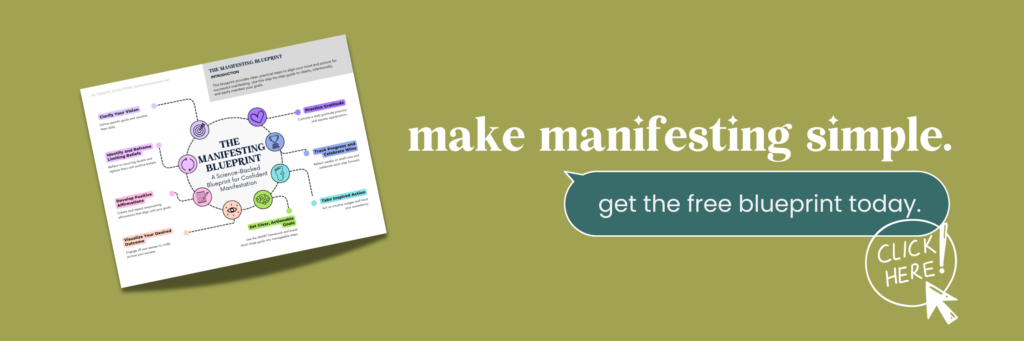
    If you’re ready to dive deeper into the art of manifestation, download my free Manifestation Blueprint. It’s like a roadmap for rewriting your narrative and stepping into your power—Taylor Swift-style. Let’s make magic happen!

  • Why Alignment Isn’t About Positivity, It’s About Identity

    We’ve been told for years that manifestation is about staying high-vibe.
    Smile more. Journal harder. Keep your energy “clean.”

    But that version of alignment? It’s performative.
    It’s shallow. And for most people, it’s exhausting.

    Alignment has nothing to do with how positive you feel.
    It has everything to do with who you are.

    You don’t manifest based on your mood.
    You manifest based on your identity.

    And if that identity is still rooted in fear, lack, or unworthiness?
    You can visualize all you want your nervous system will still pull you back to what feels familiar.


    The “Positive Vibes Only” Lie

    We’ve been conditioned to believe that alignment means joy 24/7.
    That if you’re doing it right, you should never feel anxious, disappointed, or pissed off.

    But you’re human.
    You’re living a real life.
    And if you’re someone inching toward 40, with hormones that forgot how to read the room… you already know emotions aren’t always pretty.

    Here’s the truth:

    Alignment doesn’t mean you feel amazing all the time.
    It means you live from a place that matches your truth—even when things are messy.

    And that truth? It lives in your identity, not your mood.


    When Manifestation Doesn’t Happen Like You Thought (Even If You’re Doing “Everything Right”)

    In 2017, I built a business that appeared to be successful from the outside.
    It was growing. Clients were coming in. Money was flowing.

    But I wasn’t.

    Behind the scenes, I was operating from a place of scarcity.
    I was masking fear with systems.
    I was overcompensating with strategy.
    And underneath the success, I didn’t actually feel like the version of me who could hold it.

    Then 2020 hit.

    I was navigating postpartum depression.
    Everything I had built felt far away from what I actually wanted to feel.
    And even though I was still technically manifesting money, clients, and visibility, the deeper dreams weren’t landing.

    Because deep down, I wasn’t aligned.
    I was chasing something I hadn’t become safe enough to hold.


    Alignment Is Identity, Not Emotion

    You can feel sad and still be in alignment.

    You can have a hard week and still be walking toward your next level.

    Because alignment doesn’t mean joy.
    It means congruence.

    It means the way you think, move, speak, and choose is in integrity with what you desire.

    Alignment is when you:

    • Spend money like someone who trusts their flow
    • Say no like someone who honors their energy
    • Rest like someone who knows their worth isn’t in their output

    And no, you don’t get there overnight.
    You build into it.

    You take small daily steps that affirm the identity of the version of you you’re becoming.
    Not just when you feel good. But especially when you don’t.


    High Vibes Don’t Manifest, Congruence Does

    You can light all the candles and script until your hand cramps.

    But if your body doesn’t believe it’s safe to receive?
    You’ll block the very thing you say you want.

    You don’t need more vision boards.
    You need identity reinforcement.

    Ask yourself:

    • Is how I spend aligning with the version of me I say I am?
    • Are my boundaries aligned with someone who feels safe to expand?
    • Am I still trying to “feel better” to be worthy of what I want?

    If you’re constantly chasing a good mood to manifest, you’re missing the point.

    You don’t need to be happy.
    You need to be whole.


    Manifestation Lands When It Feels Normal

    Your nervous system doesn’t care about what you desire.
    It cares about what feels familiar.

    So if struggle, scarcity, overgiving, or proving has been your baseline, you’ll unconsciously recreate those patterns even if you’re actively trying to change them.

    That’s why we shift identity first.

    We start reinforcing safety in new experiences.
    We build evidence that it’s safe to receive without faking it.
    We anchor into habits that reflect worth, not hustle.

    And we do it in small, doable, embodied ways.

    You don’t need to stretch so far past your current identity that your system collapses.

    You need to meet yourself where you are and shift from there.


    Final Reminder: Alignment Is Who You Are, Not How You Feel

    You’re not failing because you had a bad day.
    You’re not out of alignment because you cried on the kitchen floor.

    You can be in grief and still be growing.
    You can be overwhelmed and still be manifesting.
    You can be questioning everything and still be aligned with the life you’re building.

    So instead of asking, “How do I stay high-vibe?”
    Ask, “Who am I willing to become?”

    Because alignment is a frequency.
    And that frequency starts with truth.


    🎧 Want Support Becoming the Version of You Who Can Hold It All?

    The Identity Shift Sessions is a 7-part audio journey that helps you shift from chasing to embodying.
    Because you’re not here to perform your dream life.
    You’re here to live it.

    👉 Start listening now

  • How Self-Love Fuels Sustainable Success in Passive Income Ventures

    Why Self-Love and Business Go Hand in Hand

    When I first started my business, I was caught up in trying to “look the part.” I obsessed over logos, website design, and how everything appeared rather than focusing on what actually mattered—getting people to my site and creating value for them. I posted on social media just to say I did it, without real thought or purpose. Deep down, I wasn’t sure I had value to offer.

    It wasn’t until I started truly working on self-love that things changed. The more I healed, the more confident I became, and suddenly, I wasn’t just running a business—I was leading one. In 2017, my spiritual gifts landed in my lap, but I hesitated to use them in business. A whole new layer of insecurity and embarrassment surfaced, forcing me to work through yet another level of self-acceptance.

    Through it all, I learned that self-love isn’t just about feeling good—it’s the foundation of how we show up in our business, make decisions, and create sustainable income. If you’re struggling in your passive income journey, it’s time to look inward. Let’s dive into how self-love directly impacts success.

    Why Self-Love Is Essential for Passive Income Ventures

    1. It Helps You Value Your Time and Effort

    Lack of self-love often leads to underpricing, overworking, and hesitation to invest in tools that would make your life easier. I used to be afraid to charge what I was worth, thinking no one would pay. The truth? My fear of pricing was just a reflection of my own self-doubt.

    Example: An aspiring course creator hesitates to charge what their expertise is worth, fearing rejection. Self-love shifts the mindset from “Will people pay?” to “I create value, and fair compensation is part of my worth.”

    2. It Prevents Burnout

    I used to think that working harder meant I deserved success. But all it did was lead to burnout, frustration, and resentment. Without self-love, we push ourselves beyond our limits, thinking we have to “earn” rest.

    Why It Matters: Approaching business with self-compassion helps us set boundaries, prioritize rest, and build systems that support well-being instead of draining us.

    3. It Encourages Long-Term Thinking

    When you love and trust yourself, you don’t chase quick wins—you build something sustainable. The rush for instant success often leads to misaligned decisions, whereas self-worth keeps you focused on what truly matters.

    Example: A blogger who values themselves prioritizes quality content and authentic engagement rather than chasing viral trends that don’t align with their mission.

    4. It Attracts Aligned Opportunities

    When you believe in yourself, the right people and opportunities start showing up. Conversely, low self-worth can lead to accepting low-paying gigs, draining collaborations, or staying stuck in misaligned projects.

    How to Cultivate Self-Love in Your Passive Income Journey

    1. Start With Your “Why”

    If your only goal is money, you’re missing the deeper purpose that fuels long-term success. Self-love connects you to the true reason behind your work—freedom, impact, creativity, fulfillment.

    Action Step: Journal about why you want to create passive income. How will it support your ideal lifestyle? What values and passions does it reflect?

    2. Set Boundaries Around Your Time and Energy

    Self-love means protecting your time. Without boundaries, your business can take over your life, leading to exhaustion and frustration.

    Examples of Healthy Boundaries:

    • Designating specific work hours (and sticking to them).
    • Saying no to opportunities that don’t align with your values.
    • Scheduling regular breaks to recharge.

    Action Step: Create a weekly schedule that includes dedicated time for work, self-care, and personal growth.

    3. Invest in Yourself

    I used to think that doing everything myself meant I was “saving” money. But all it did was drain me. Self-love means recognizing that you don’t have to struggle alone—investing in support or tools can make all the difference.

    Examples of Self-Investment:

    • Taking a course to improve your skills.
    • Hiring a virtual assistant to free up your time.
    • Using platforms like Canva or ThriveCart to streamline processes.

    Action Step: Identify one area where investing in yourself would create more ease or efficiency.

    4. Celebrate Progress, Not Just Results

    I used to only celebrate big milestones, which made the journey feel exhausting. But self-love reminds us that every step forward matters.

    Action Step: At the end of each week, write down three wins—big or small—that you’re proud of in your business.

    5. Reframe Failure as Feedback

    I used to take every setback personally. Now, I see them as necessary pivots leading me to better opportunities. Self-love shifts failure from shame to learning.

    Mantra: “Every setback is a stepping stone toward success.”

    Real-Life Examples of Self-Love in Action

    A Course Creator Who Learned to Delegate

    A coach struggled with burnout from doing everything alone. Hiring a video editor and automating tasks allowed them to double their sales while reclaiming their energy.

    A Blogger Who Valued Their Worth

    A lifestyle blogger initially accepted low-paying sponsorships out of fear. After working on self-love, they started pitching higher rates and landed deals with aligned brands.

    An Entrepreneur Who Prioritized Rest

    An affiliate marketer noticed their productivity dropping due to overwork. By scheduling daily breaks, they accomplished more while feeling energized and fulfilled.

    Practical Tips for Balancing Self-Love and Business Success

    1. Use Tools to Simplify Your Work

    Leverage tools and platforms that streamline your business, such as:

    • MailerLite for email marketing.
    • Pinterest for driving traffic.
    • Trello for task management.

    2. Align Your Business Model With Your Energy

    Choose passive income ventures that resonate with your strengths, whether it’s blogging, digital products, or memberships.

    3. Regularly Reassess Your Goals

    Self-love includes the freedom to change course when something no longer aligns. Periodically review your goals to ensure they reflect your current values and vision.

    Self-Love as the Key to Sustainable Success

    Building passive income isn’t just about strategy—it’s about the energy and intention you bring. When you prioritize self-love, you create a foundation of confidence, resilience, and alignment that fuels long-term success.

    By valuing yourself, setting boundaries, and approaching business with compassion, your passive income ventures will thrive financially and support your well-being.

    So, let self-love be your guide. Build with purpose, celebrate your worth, and trust that abundance flows when you honor yourself.

  • A Step-by-Step Guide to Self-Love Inspired by Rococo Fashion

    In a world that often equates self-care with bubble baths and meditation, it’s easy to overlook the transformative power of self-adornment. What we wear isn’t just about covering our bodies; it’s a form of self-expression, a declaration of worth, and—when done with intention—a celebration of self-love.

    For years, I dressed to blend in, choosing “safe” outfits that wouldn’t draw attention. I thought confidence came from the inside only, and while that’s partially true, I didn’t realize how much my external choices reflected my internal world. When I started dressing with intention—choosing pieces that made me feel radiant instead of just presentable—I felt an unexpected shift in my self-worth. It was as if I was finally allowing myself to be seen.

    Few historical periods embody the art of self-adornment better than the Rococo era. With its lavish fabrics, intricate embroidery, and unapologetically bold colors, Rococo fashion wasn’t about blending in—it was about standing out, embracing beauty, and indulging in the joy of being seen. But beyond the aesthetic, it reflected a mindset that can teach us how to cultivate self-love in our modern lives.

    Let’s explore how this opulent style serves as a reminder that self-adornment isn’t vanity—it’s art, and it’s love.

    Rococo Fashion: A Celebration of Individuality

    The Opulence of Rococo

    Emerging in 18th-century France, Rococo fashion was characterized by pastel colors, floral patterns, ribbons, lace, and extravagantly layered gowns. Accessories like elaborate wigs, fans, and jewels completed the look.

    What It Symbolized: Rococo style wasn’t about necessity; it was about celebration. It embodied a life philosophy centered on joy, beauty, and self-expression. Dressing up was an act of creating art with your appearance.

    Individual Flourishes

    While Rococo fashion followed trends, it also left room for personal touches. From embroidered initials to custom jewelry, people infused their style with unique elements that reflected their personality and tastes.

    What It Teaches Us Today: Even in a world of fast fashion, there’s power in making your style your own. Adding personal touches—like a signature piece of jewelry or a favorite color—can make dressing up feel like an act of self-celebration.

    What Rococo Fashion Can Teach Us About Self-Love

    Beauty as an Act of Intention

    Rococo fashion wasn’t about throwing on the first thing you saw in your wardrobe. Every outfit was chosen with care, designed to reflect the wearer’s personality and mood. This intentionality transformed dressing into an act of self-care.

    Modern Takeaway: Self-love thrives in intentionality. Taking the time to choose clothes that make you feel confident and beautiful is a way of honoring yourself.

    Action Step: Spend a few extra minutes in the morning selecting an outfit that feels like you. Even small details—like adding a scarf or wearing a favorite color—can shift your energy.

    The Joy of Indulgence

    The Rococo era celebrated indulgence, not as excess, but as a way to honor life’s pleasures. Dressing up wasn’t just for special occasions—it was a daily ritual of joy.

    Modern Takeaway: Indulging in beauty, whether through fashion, makeup, or accessories, isn’t frivolous—it’s an act of self-appreciation.

    Action Step: Treat yourself to a small “luxury,” whether it’s wearing a piece of jewelry you save for special occasions or spritzing on your favorite perfume just because.

    Confidence in Being Seen

    Rococo fashion was designed to attract attention. Bold colors, intricate designs, and elaborate hairstyles encouraged wearers to embrace visibility and celebrate their uniqueness.

    Modern Takeaway: Self-love includes allowing yourself to be seen and celebrated. Dressing in ways that reflect your true self helps you show up authentically in the world.

    Action Step: The next time you dress up, ask yourself: Am I choosing this because it’s “safe,” or because it feels like me? Experiment with a bold piece that makes you feel radiant.

    The Ritual of Dressing Up as Self-Love

    Transforming the Mundane Into the Sacred

    For many, getting dressed is a mundane task. Rococo fashion reminds us that even everyday rituals can become acts of love and creativity.

    Action Step: Turn your morning routine into a ritual. Play music, light a candle, or take a moment to set an intention for how you want to feel as you choose your outfit.

    Embracing Playfulness

    Rococo style was playful—think whimsical patterns, oversized bows, and pastel wigs. It wasn’t afraid to have fun, reminding us that self-expression doesn’t have to be serious.

    Modern Takeaway: Allow yourself to experiment with fashion. Try that bold lipstick or mix patterns you’d usually avoid. Playfulness in self-adornment is a reminder that self-love doesn’t have to be so rigid.

    Dressing for Your Inner Child

    Many Rococo designs, with their florals, lace, and lighthearted aesthetic, evoke a sense of childlike wonder. Dressing up in this way can help you reconnect with your inner child—the part of you that loved twirling in dresses or pretending to be royalty.

    Action Step: The next time you shop or get dressed, ask yourself: What would my inner child love to wear? Adding a playful accessory or whimsical detail can reconnect you with that part of yourself.

    Real-Life Examples of Modern Rococo Self-Adornment

    The Statement Accessorizer

    A woman who loves Rococo-inspired jewelry wears ornate brooches or pearl earrings to meetings, transforming her workday outfits into expressions of her personality.

    The Playful Dresser

    A man incorporates Rococo-style prints—like florals and pastels—into his wardrobe, finding that the lighthearted designs boost his mood and creativity.

    The Ritual Enthusiast

    A busy mom uses her morning routine as a time to adorn herself with scarves and vintage-inspired pieces, reminding herself that she’s worthy of beauty, even on chaotic days.

    Self-Love Is an Art

    Rococo fashion teaches us that self-adornment isn’t vanity—it’s an art form, a ritual, and a declaration of worth. Whether through bold colors, playful patterns, or a touch of luxury, the way you dress can become a powerful tool for self-love.

    So, take a cue from the Rococo era: Dress with intention. Celebrate your beauty. Indulge in the joy of being seen. Because when you adorn yourself with love, you’re not just wearing clothes—you’re wearing your worth.